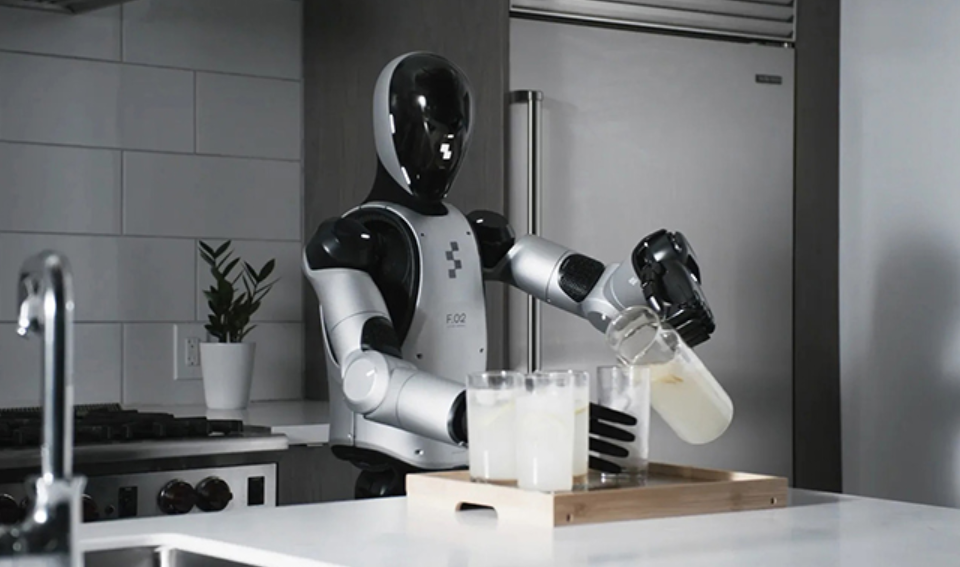
The future of humanoid robots will unfold through precise capability gains, from remote manipulation to adaptive social interfaces. Energy efficiency, maintenance predictability, and robust safety standards will anchor reliable performance across skilled tasks and general settings. Breakthroughs will be guided by ethics-driven design and measurable outcomes, with governance that adapts to protect workers while preserving freedom. A structured, evidence-based path will push pilots from concept to scalable practice, inviting scrutiny about how these systems reshape work and society.
What Humanoid Robots Are Becoming Capable of Today
Current understanding shows that humanoid robots today perform a growing set of tasks with increasing reliability and autonomy. They execute remote manipulation with precision, support social interaction through adaptive interfaces, and operate under stringent energy efficiency constraints. Maintenance routines are streamlined, enabling predictable performance. These capabilities enable practical deployment across skilled and general settings, aligning with forward-looking requirements for freedom, reliability, and scalable autonomy.
Key Breakthroughs Shaping the Next Decade
Emphasis on robot ethics and workplace safety guides design choices, governance, and compliance, ensuring practical reliability. Outcomes pursue measurable performance, scalable integration, and resilience within diverse human-robot workflows.
Freedom-oriented prudence underpins sustainable progress.
See also: The Future of Display Technology
Balancing Benefits With Risks: Ethics, Safety, and Job Impact
Ethical considerations, safety protocols, and workforce implications must be integrated from the outset to ensure beneficial deployment of humanoid robots. This analysis weighs benefits against risks through ethics governance and robust safety standards, emphasizing transparency, accountability, and ongoing oversight.
Practical foresight shows adaptable governance, targeted risk assessment, and scalable training, preserving freedom while protecting workers and society from unintended consequences.
The Path From Here: How to Evaluate, Adopt, and Adapt to Humanoid Robotics
Advancing from theory to practice requires a structured, evidence-based approach to evaluating, adopting, and adapting humanoid robotics within real-world operations. The path emphasizes rigorous pilots, measurable outcomes, and continuous refinement.
Ethics governance frames decision-making, aligning innovation with societal values and accountability.
Safety standards anchor deployment, ensuring reliability, risk awareness, and resilience while enabling scalable integration and freedom to innovate responsibly.
Frequently Asked Questions
How Will Humanoid Robots Understand Human Emotions Reliably?
Emotional attunement will be pursued through multimodal sensing and contextual learning, enabling robots to infer states with measured confidence. Behavior transparency ensures users understand decisions. Continuous evaluation, privacy safeguards, and interdisciplinary oversight support practical, future-ready human-robot collaboration.
Will Robots Ever Possess True Consciousness or Sentience?
Anecdote: a chess-playing robot taps reflexively but remains toolbound; thus, experts question consciousness debate and challenged sentience ethics. Robots may simulate feeling, yet true consciousness is uncertain, with practical limits and freedom-minded governance guiding future development.
Who Regulates Privacy When Robots Operate in Public Spaces?
Regulatory bodies oversee privacy governance when robots operate in public spaces, balancing civil liberties with safety. Public space surveillance is guided by legislation, policy frameworks, and industry standards, ensuring accountability, transparency, and freedom-compatible safeguards without stifling innovation.
Can Humanoids Replace Creative Professions Beyond Manual Labor?
Humanoids could influence creative professions, yet not wholly replace them. Humanoid ethics emphasize collaboration and augmentation; job displacement may occur, demanding adaptive training, safeguards, and policy foresight to preserve freedom while guiding responsible innovation.
What Are Long-Term Climate and Resource Impacts of Large-Scale Deployment?
Giant gears stir a quiet warning, like Icarus’s echo; large scale deployment yields long term impacts on climate and resources, demanding careful stewardship. Such systems demand sustainability, transparency, and adaptive policies to balance innovation with planetary limits.
Conclusion
The trajectory of humanoid robotics rests on disciplined design, rigorous testing, and transparent governance. As capabilities expand—from remote manipulation to adaptive social interfacing—stakeholders must balance efficiency gains with safety, ethics, and workforce resilience. A measured, evidence-driven rollout—pilots, metrics, and continuous refinement—will align technology with societal values. In this evolving landscape, robots should act not as replacements but as complementary partners, guiding humanity forward like a compass, ensuring predictable performance while preserving human dignity.
